11 Study Nook Decor Ideas for a Cozy and Productive Corner
In an era where remote work and digital learning have become the gold standard, the environment in which we choose to focus matters more than ever. A “study nook” isn’t just a place to park your laptop; it is a psychological boundary that signals to your brain that it is time to transition from relaxation to deep work. Whether you are dealing with a spacious home office or a tiny corner of a studio apartment, the right decor can transform a mundane square of floor space into a sanctuary of productivity and comfort.
Creating the perfect nook requires a delicate balance between ergonomics and aesthetics. You want a space that feels inviting enough to sit in for hours, yet structured enough to keep your mind from wandering. From the textures under your feet to the scent in the air, every element plays a role in your cognitive performance. Here are 11 inspired decor ideas to help you craft a study nook that is as beautiful as it is functional.
1. Floating Desks
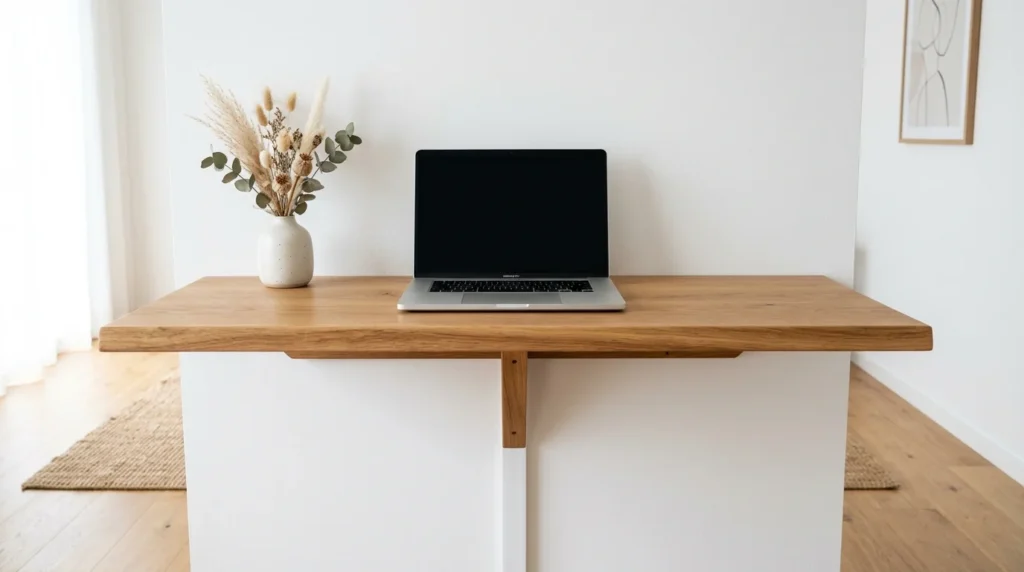
When floor space is at a premium, the floating desk is a design superhero. By eliminating bulky legs, these wall-mounted surfaces create an illusion of openness, making even the smallest corner feel less cramped. The absence of legs also allows for easier cleaning and provides a sleek, modern aesthetic that fits perfectly into minimalist or Scandinavian-inspired interiors.
To make a floating desk work, consider the height carefully. It should be installed at a level that allows your elbows to rest at a 90-degree angle while typing. You can further enhance this look by choosing a wood grain that matches your flooring or other furniture, creating a cohesive visual flow throughout the room.
2. Natural Light
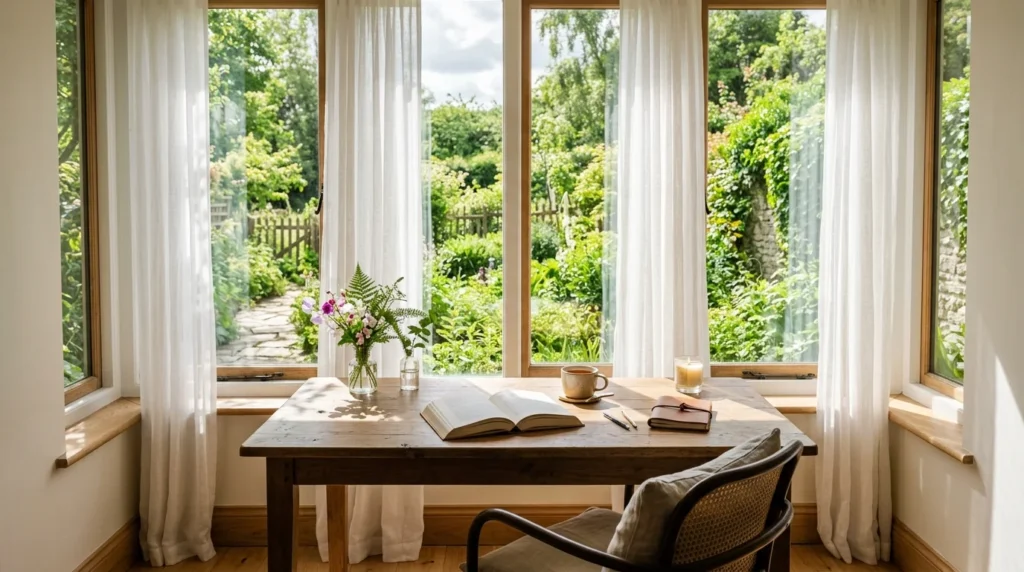
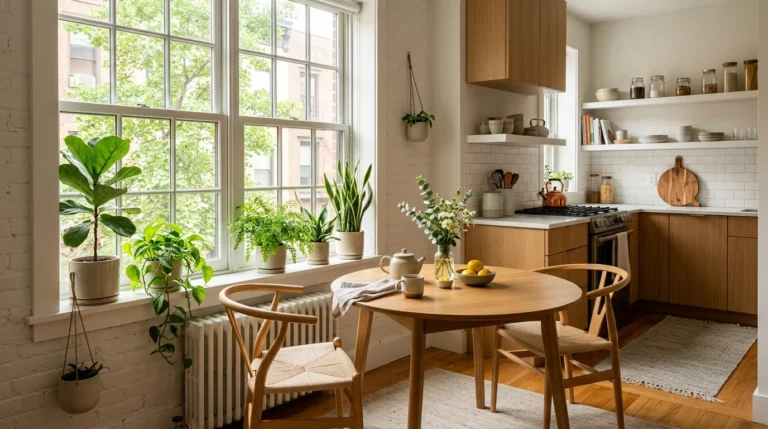
There is no substitute for natural light when it comes to boosting mood and regulating your circadian rhythm. Positioning your study nook near a window provides a vital connection to the outside world, preventing the “cubicle fever” that often sets in during long work sessions. The shifting patterns of sun and shadow throughout the day can also help you keep track of time naturally.
If glare is an issue for your screen, opt for light-filtering window treatments like linen curtains or bamboo shades. These allow the brightness to fill the room while softening the harshness of direct afternoon sun. If your nook is in a windowless area, try using “daylight” spectrum LED bulbs to mimic the energizing effects of the sun.
3. Ergonomic Chairs
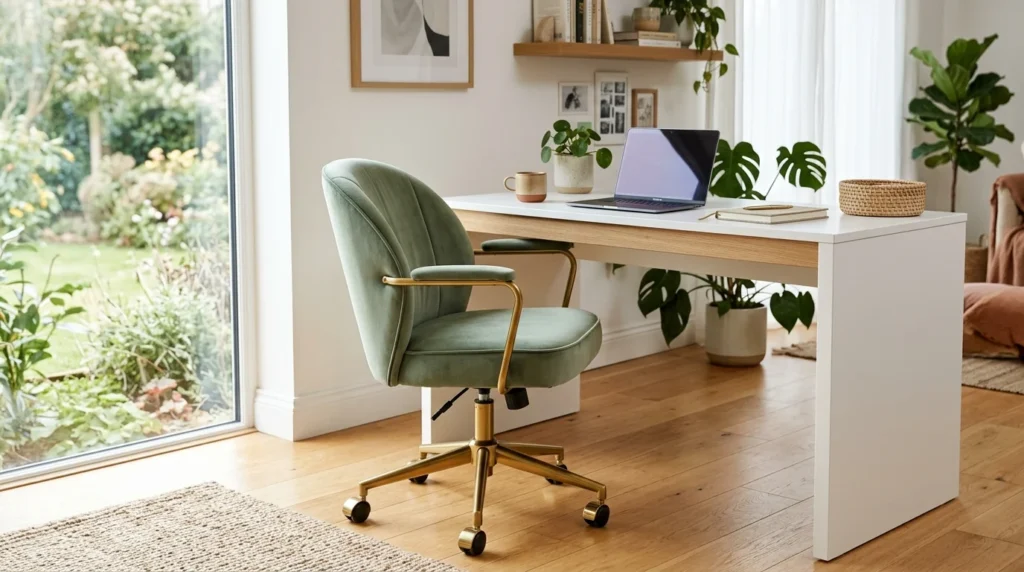
While a vintage wooden chair might look stunning in a photo, your back will likely regret it after an hour of focused work. The key to a productive study nook is an ergonomic chair that doesn’t sacrifice style. Modern furniture design has come a long way, offering chairs with lumbar support, adjustable heights, and breathable fabrics in a variety of trendy colors and textures.
Look for chairs that feature a swivel base and wheels if you need to move between different parts of your desk, or a stationary “bucket” style chair for a more grounded feel. Adding a small lumbar pillow in a contrasting pattern can provide extra support while acting as a decorative accent.
4. Wall Organizers
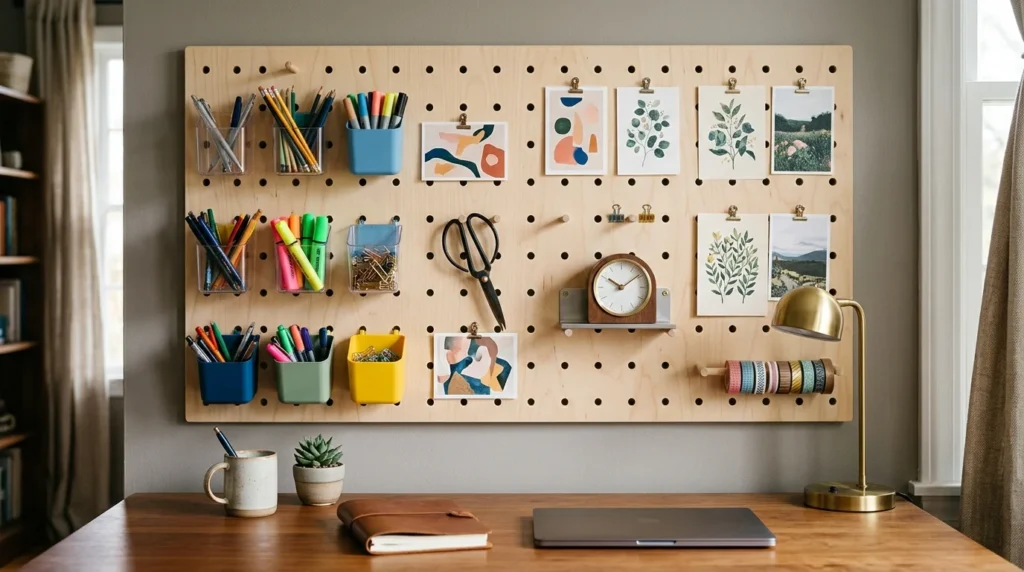
Vertical storage is the secret to keeping a small desk surface clear of clutter. Wall organizers, such as pegboards, grid panels, or floating shelves, allow you to keep your essential tools within arm’s reach without sacrificing precious workspace. These systems are highly customizable; you can move hooks, baskets, and shelves around as your needs change.
A well-organized wall also serves as a visual “command center.” By arranging your pens, notebooks, and reference materials neatly, you reduce the “visual noise” that can lead to procrastination. Use aesthetic containers—like brass cups or ceramic jars—to hold your stationery to ensure the organizer looks like a deliberate piece of decor.
5. Indoor Plants
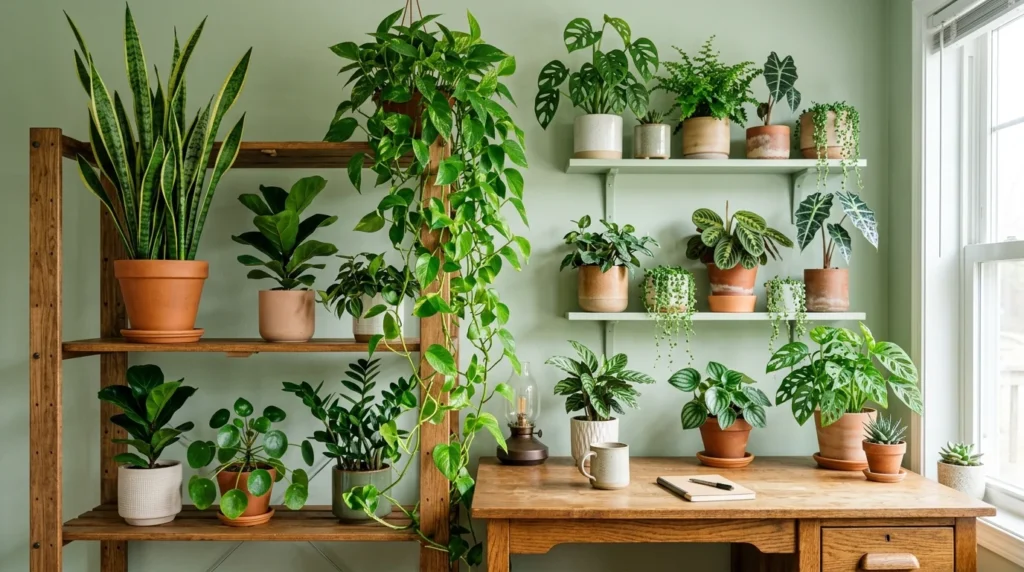
Biophilic design—the practice of bringing the outdoors in—is a powerful tool for productivity. Research consistently shows that having greenery in your workspace can reduce stress and improve air quality. Plants like the Snake Plant, ZZ Plant, or Pothos are excellent choices for a study nook because they are low-maintenance and thrive in various lighting conditions.
For a cozy feel, try varying the heights of your plants. Place a tall, structural plant on the floor next to your desk, a trailing vine on a high shelf, and a small succulent right next to your computer. The presence of living things adds a sense of vitality and calm to the corner, making it a place you actually want to spend time in.
6. Mood Lighting

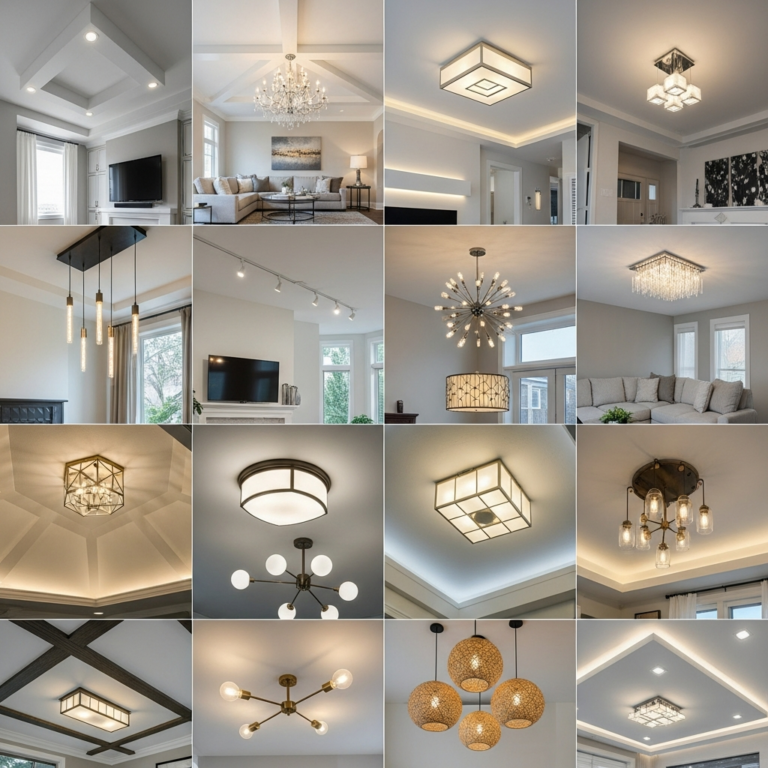
While bright light is great for focus, “mood lighting” is what makes a nook feel truly cozy. Layering your lighting is the best way to achieve this. Start with a dedicated task lamp for your desk—something with a flexible arm so you can direct the light exactly where you need it. Then, add accent lighting to soften the atmosphere.
String lights, small LED lanterns, or even a smart light strip behind the desk can create a warm glow that makes evening study sessions feel less like a chore and more like a retreat. Opt for “warm white” bulbs (around 2700K) to create a relaxed, inviting environment that helps you wind down if you’re working late.
7. Rug Texture
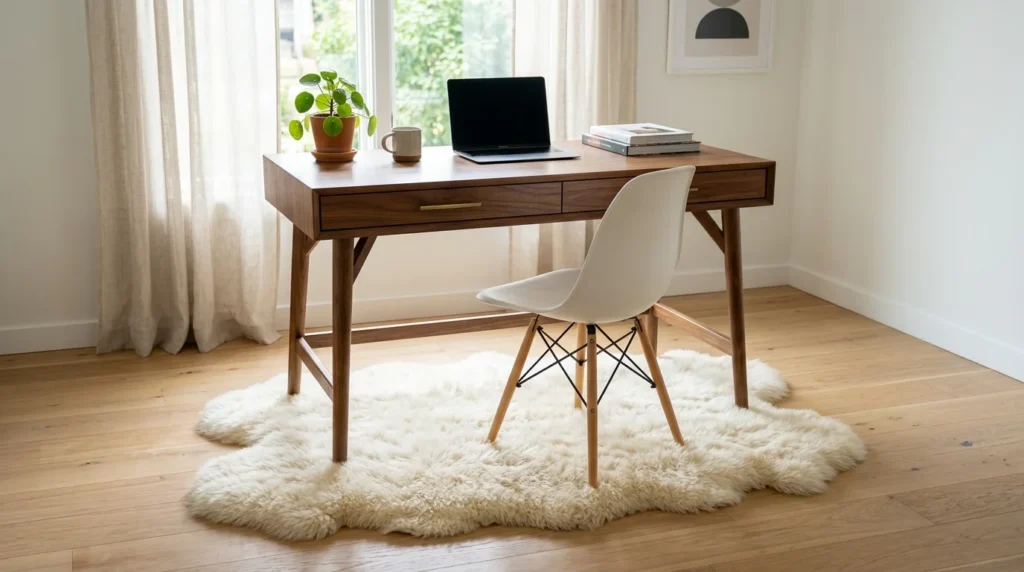
Never underestimate the power of what is under your feet. A rug helps to “zone” your study nook, physically and visually separating it from the rest of the room. This is particularly important in open-concept spaces or bedrooms where you need a clear distinction between the “sleep zone” and the “work zone.”
For maximum coziness, choose a rug with plenty of texture. A plush shag rug, a faux-sheepskin, or a woven jute rug adds a layer of warmth and comfort. If your chair has wheels, ensure the rug is low-profile enough for the chair to glide easily, or use a small decorative rug just under the desk area where your feet rest.
8. Personal Gallery
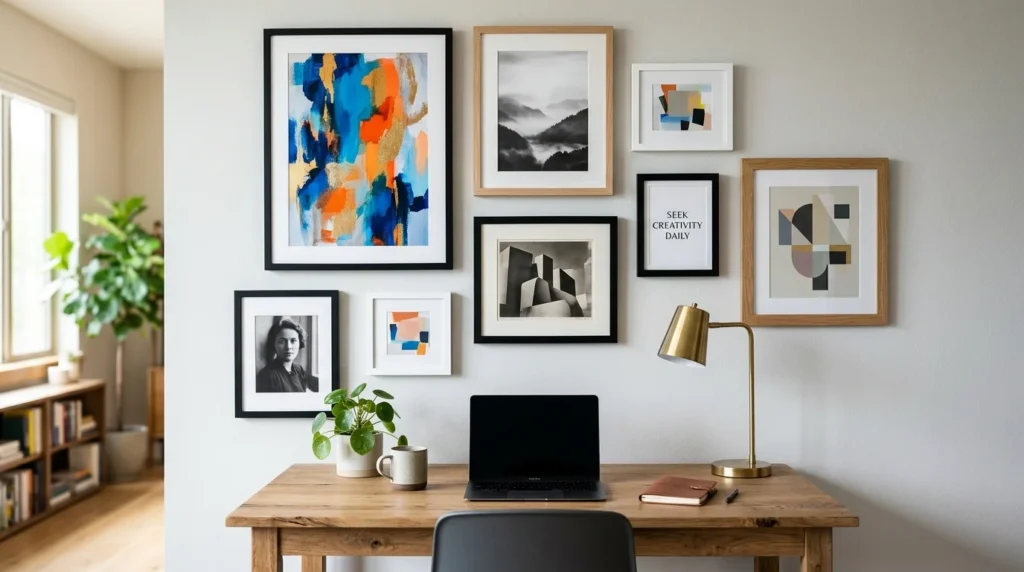
Your study nook should reflect your personality and inspire you. A personal gallery wall is the perfect way to display art, photographs, or quotes that motivate you. This doesn’t have to be a massive undertaking; even three or four framed pieces can create a curated look.
Consider the “vibe” you want to project. If you need to stay calm, choose landscapes or abstract art in cool tones. If you need energy, go for bold colors and graphic prints. Mixing textures, such as a framed canvas alongside a hanging textile or a vintage map, adds depth and interest to the space, making it feel like a professional yet personal studio.
9. Color Palettes
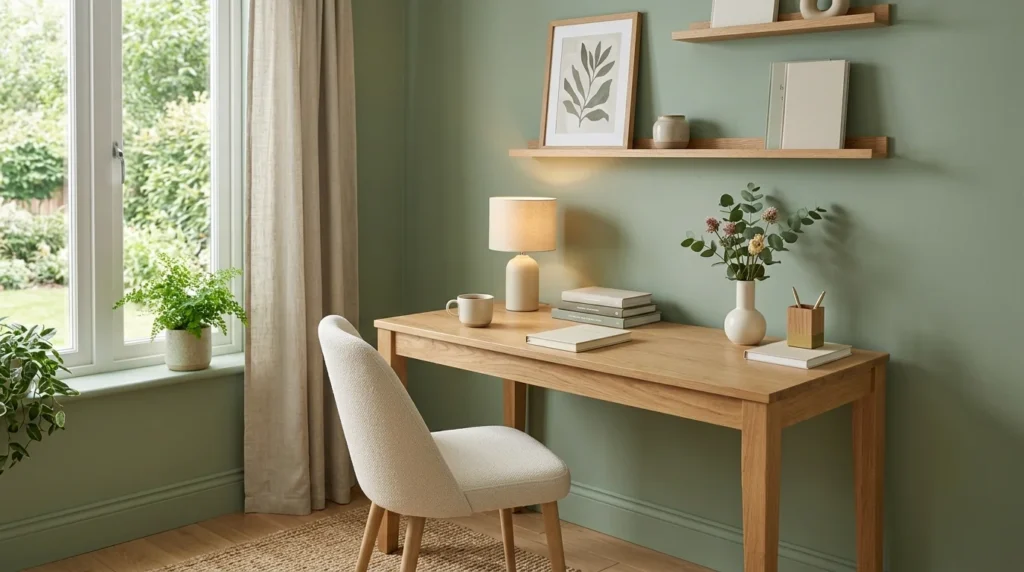
Color psychology plays a huge role in how we feel in a space. When decorating your nook, think about the mental state you want to achieve. Soft blues and greens are known for their calming properties and are great for deep thinking. Warm terracottas and muted yellows can boost creativity and mood.
If you can’t paint the walls, you can introduce your color palette through accessories like desk mats, storage boxes, and chair cushions. A cohesive color scheme makes the nook feel intentional and organized. Neutral tones like beige, grey, and white can serve as a timeless base, allowing you to swap out colorful accents as the seasons or your tastes change.
10. Scented Elements
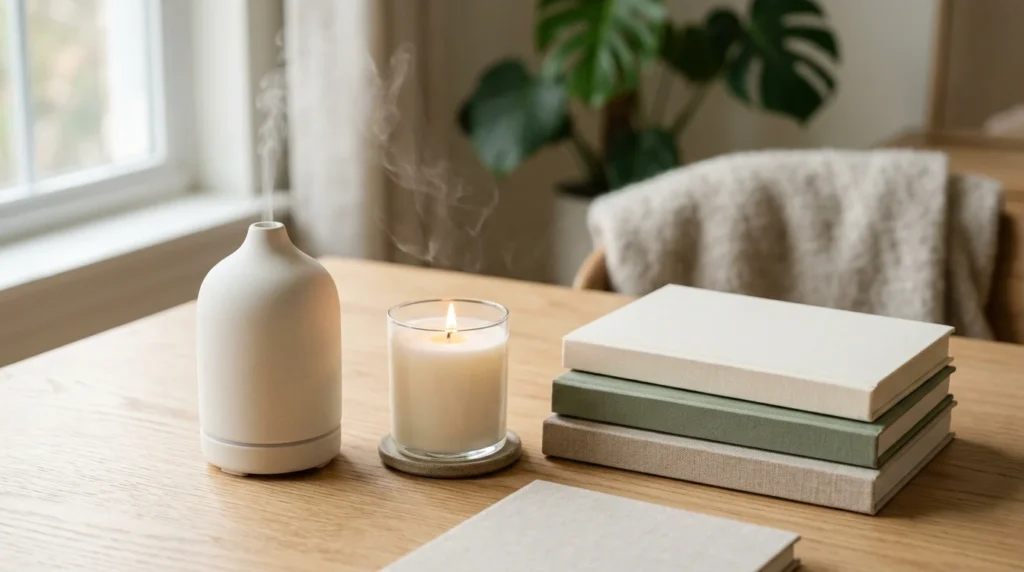
Our sense of smell is directly linked to the brain’s limbic system, which controls memory and emotion. Incorporating scent into your study nook can help you trigger a “focus mode.” For example, peppermint and lemon are known for increasing alertness, while lavender can help reduce the anxiety of a heavy workload.
An essential oil diffuser is a great, flameless option for a desk, providing a subtle mist that also adds a bit of moisture to the air. If you prefer candles, look for soy-based options with wooden wicks that provide a gentle crackling sound, adding another layer of sensory coziness to your environment.
11. Hidden Storage
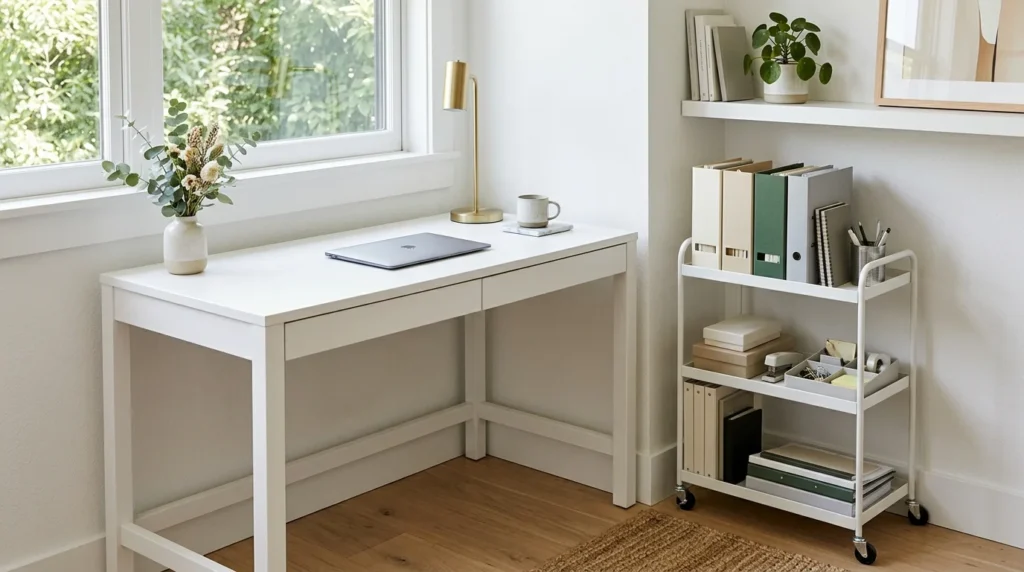
Nothing kills productivity faster than a messy desk. To maintain the “cozy” vibe of your nook, you need a place to hide the less-than-aesthetic items like charging cables, staplers, and loose papers. Hidden storage solutions, such as desks with integrated drawers or a stylish rolling cart, allow you to clear the decks at the end of the day.
Cable management boxes are another essential; they hide the “spaghetti” of wires that often accumulates behind computers. By keeping your surfaces clear of everything except your current project and a few decorative items, you create a visual “blank slate” that allows your mind to focus entirely on the task at hand.