12 Kids Room Makeover Ideas for a Fun and Stylish Space
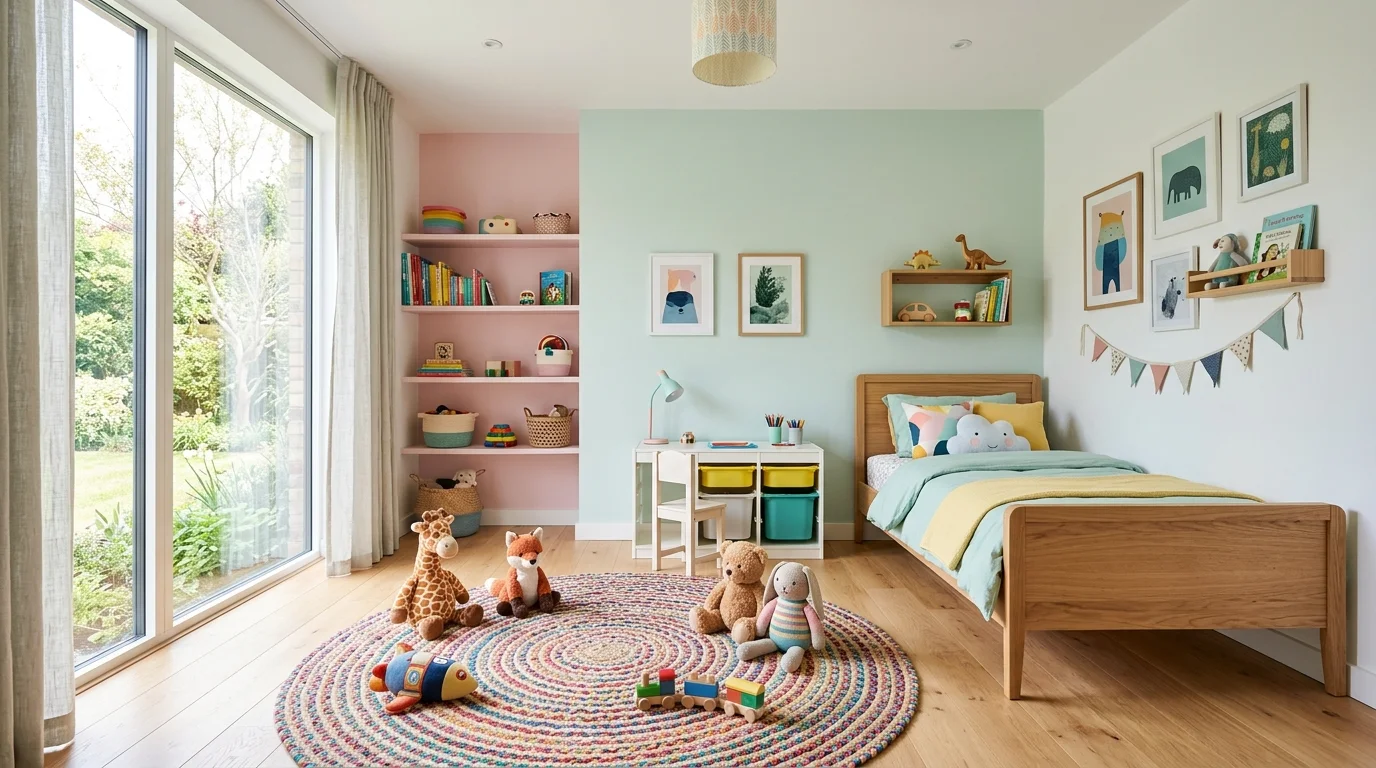
Transforming a child’s bedroom is one of the most rewarding home improvement projects you can undertake. It is a space where imagination knows no bounds, where “the floor is lava,” and where dreams take flight every night. However, the challenge lies in balancing a child’s ever-changing interests with a design that is stylish, functional, and durable enough to withstand years of play.
Whether you are looking to create a serene sanctuary for sleep or a high-energy playground for daytime fun, a successful makeover requires a blend of creativity and practicality. From clever storage solutions to bold aesthetic choices, here are 12 transformative ideas to help you design a space that both you and your child will love.
1. Loft Beds
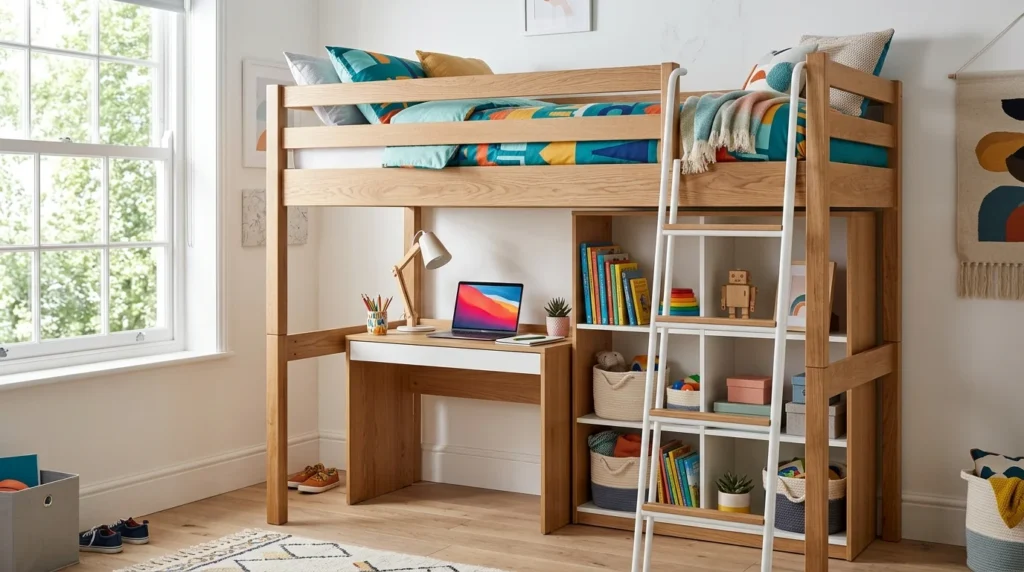
When floor space is at a premium, the only way to go is up. Loft beds are a game-changer for smaller rooms, effectively doubling the usable square footage. By elevating the sleeping area, you open up a world of possibilities beneath the frame.
For older children, the space under a loft bed serves as the perfect quiet zone for a desk and computer. For younger kids, it can be transformed into a secret fort, a puppet theater, or a cozy reading lounge. Choose a sturdy wooden or metal frame that matches the room’s aesthetic, and ensure the ladder is easy to climb. Not only does this add a sense of adventure to the room, but it also creates clear boundaries between “sleep time” and “play time.”
2. Accent Walls
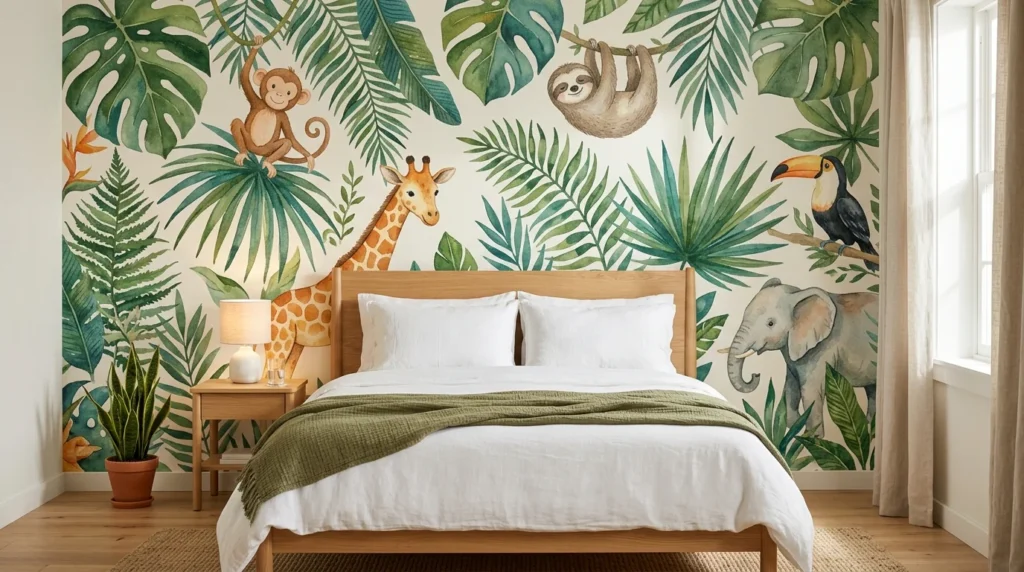
An accent wall is the fastest way to inject personality into a room without committing to a full-scale paint job or wallpapering every surface. This single wall serves as the focal point of the room, allowing you to experiment with bold patterns, vibrant colors, or intricate textures.
Consider removable wallpaper if you are worried about your child outgrowing the design. Geometric shapes, oversized floral prints, or hand-painted murals can set the tone for the entire space. If you prefer paint, a deep navy or a soft terracotta can provide a sophisticated backdrop that grows with the child from toddlerhood to their teenage years.
3. Reading Nooks
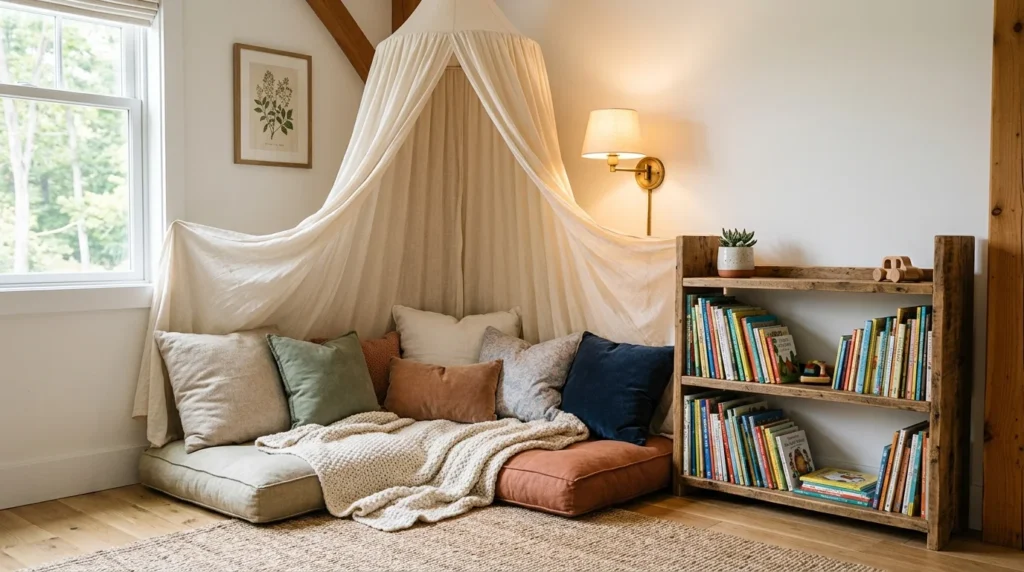
Encouraging a love for literature starts with creating a dedicated space for it. A reading nook doesn’t need much—just a quiet corner and a few comfortable elements. A hanging fabric canopy can provide a sense of enclosure and “magic,” while a pile of oversized floor cushions ensures total comfort.
To make the nook functional, install low-profile “picture ledges” where books can be displayed with their covers facing out. This makes it easier for young children to find their favorite stories and encourages them to pick up a book independently. Add a dedicated reading light—perhaps a clip-on lamp or a soft floor light—to make the space usable even as the sun goes down.
4. Modular Storage
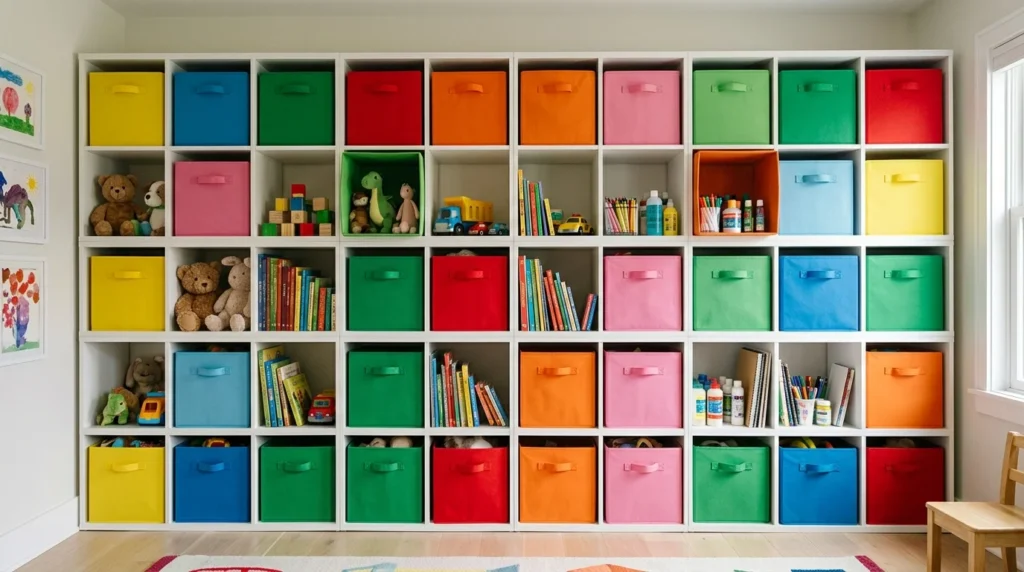
The biggest enemy of a stylish kids’ room is clutter. Modular storage systems are the ultimate solution because they are adaptable and scalable. Using a mix of open cubbies and closed drawers allows you to hide the “messy” toys while showcasing the items that contribute to the room’s decor.
Labeling bins with icons or words is a great way to teach children about organization. Use colorful baskets to add pops of hue to the room, or stick to natural wicker and wood for a more Scandinavian, minimalist look. The beauty of modular units is that they can be rearranged or added to as your child’s collection of hobbies and gear expands.
5. Themed Decor
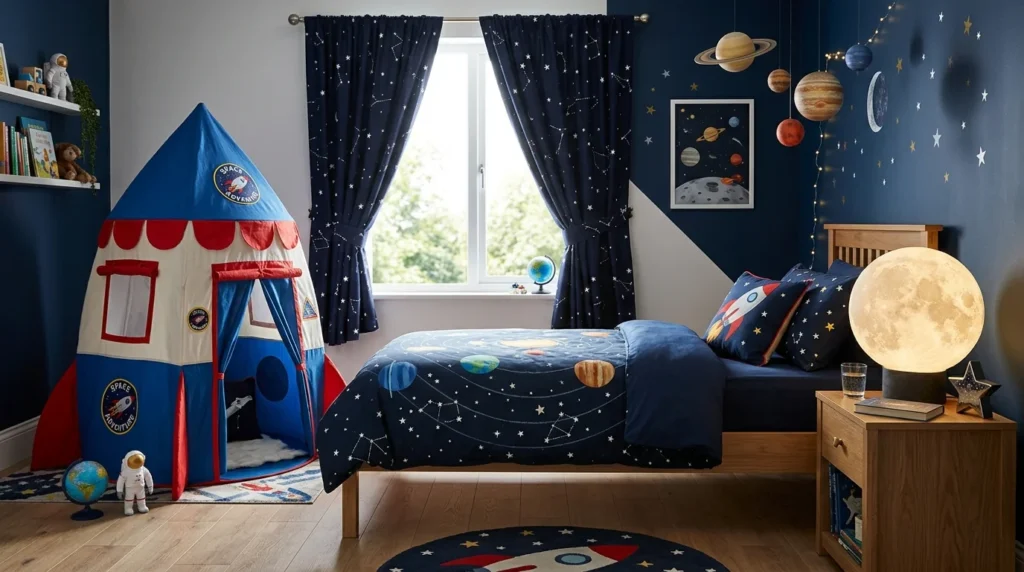
Themes allow a child’s personality to shine through. Whether they are obsessed with outer space, the deep sea, or a magical forest, a theme provides a cohesive design narrative. The key to a successful themed room is to focus on details rather than overwhelming the space.
Instead of themed furniture that might be outgrown quickly, use textiles and accessories to tell the story. A rocket-ship-shaped rug, star-patterned curtains, and framed vintage maps can create an “explorer” theme that feels sophisticated rather than kitschy. This approach makes it much easier to update the room’s look as your child’s interests evolve.
6. Interactive Walls
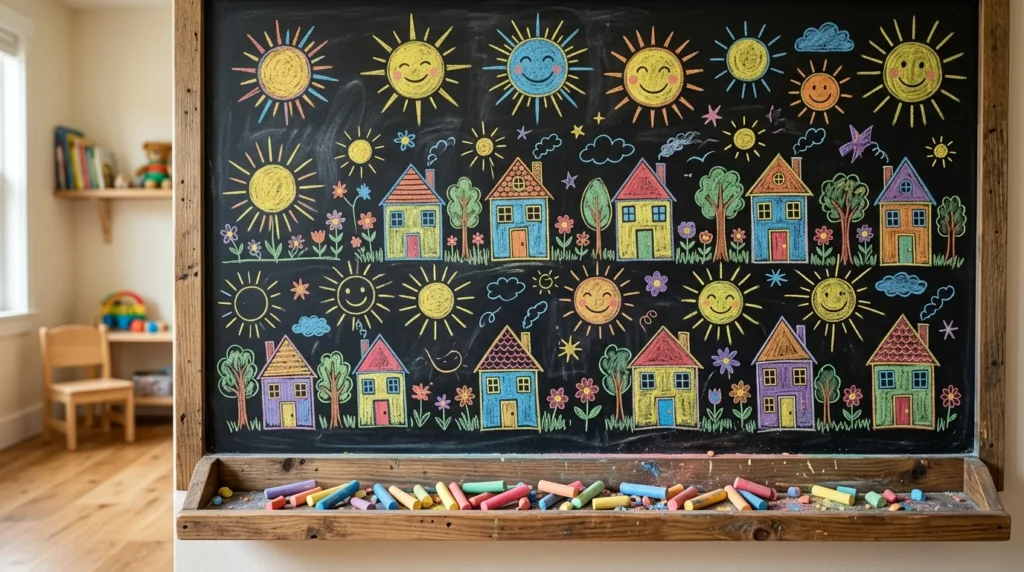
Why discourage drawing on the walls when you can make it part of the design? Interactive walls turn a static room into a dynamic playground. Chalkboard paint is a classic choice, allowing for endless artistic expression that can be wiped clean in seconds.
If chalk isn’t your style, consider a magnetic wall or a large-scale pegboard. A pegboard is particularly versatile; it can hold bins for art supplies, hooks for costumes, or even small shelves for displaying LEGO creations. These interactive elements engage a child’s creativity and give them a sense of ownership over their environment.
7. Soft Textiles
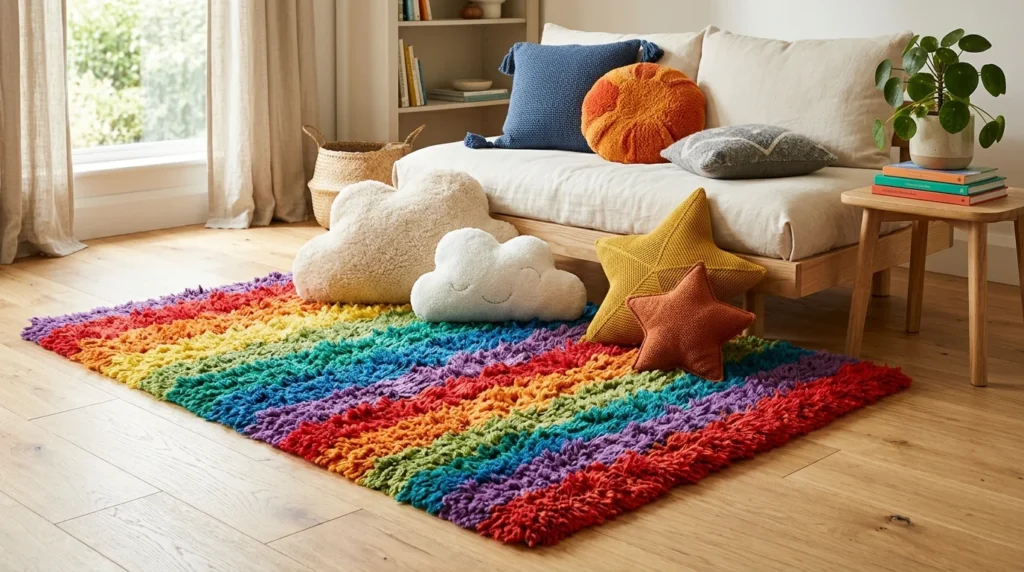
Texture is often overlooked in kids’ rooms, but it is essential for creating a “cozy” feeling. Soft textiles dampen sound—a blessing for any parent—and provide a safe, comfortable surface for floor play.
Start with a high-quality rug; low-pile rugs are easier to clean, while shaggy rugs offer maximum comfort. Layer in throw pillows of different shapes and fabrics, such as velvet, wool, or cotton. Don’t be afraid to mix patterns, like stripes with polka dots, as long as they share a similar color palette. This layering adds depth and warmth, making the room feel lived-in and inviting.
8. Creative Lighting
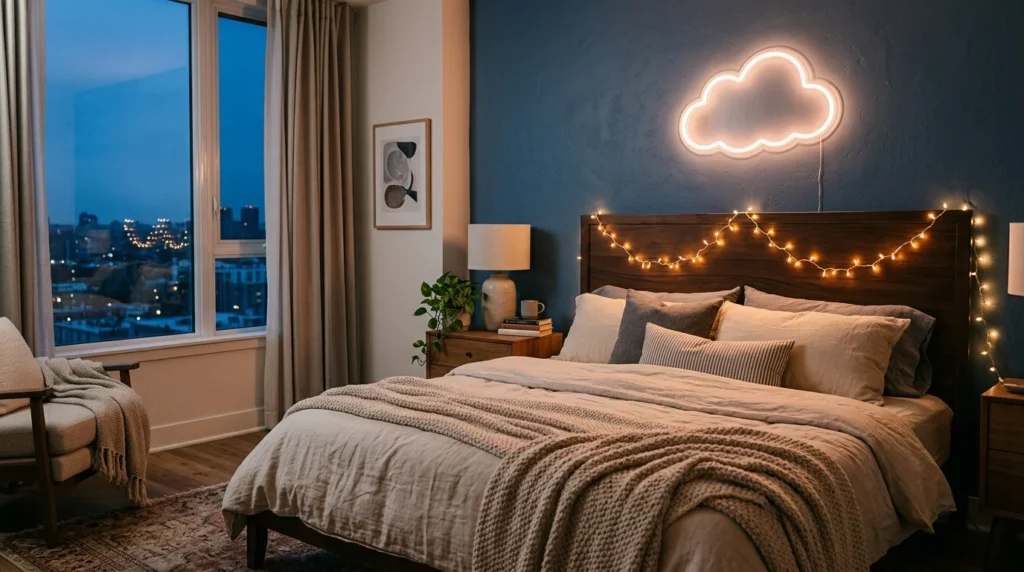
Lighting sets the mood. While overhead “big lights” are necessary for cleaning and playing, accent lighting creates a magical atmosphere for winding down. String lights, often called “fairy lights,” can be draped over bed frames or windows for a whimsical touch.
Neon signs (or LED alternatives) have become a huge trend in kids’ rooms, offering a modern, cool vibe. Look for shapes like clouds, lightning bolts, or even the child’s name. Additionally, a dimmable bedside lamp is a must-have for nighttime reading and ensuring a smooth transition to sleep.
9. Indoor Swings
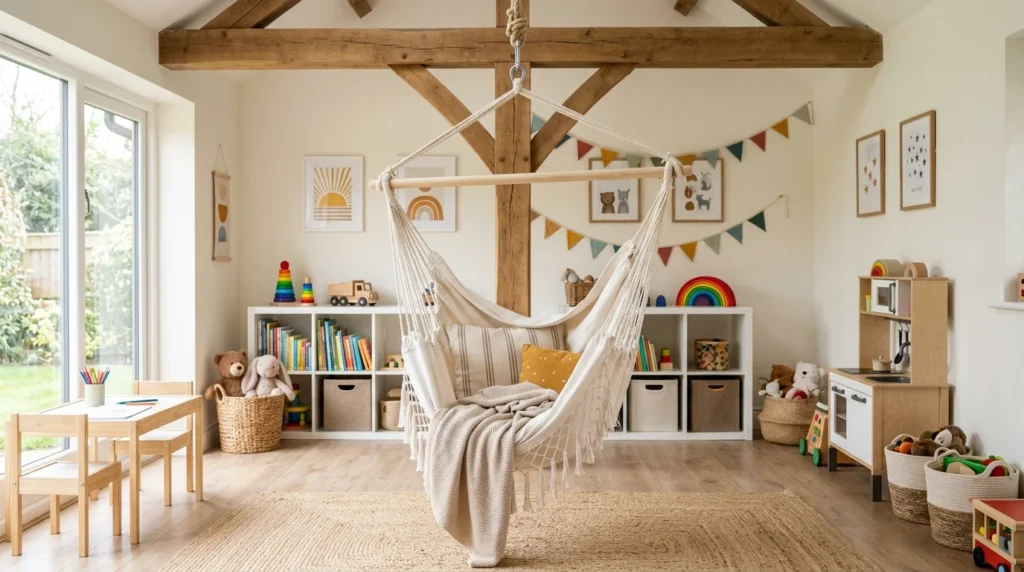
If you have the ceiling height and a sturdy joist, an indoor swing is the ultimate “wow” factor. Swings are not just for the park; they provide a rhythmic, calming motion that many children find soothing.
A fabric “pod” swing offers a cocoon-like environment perfect for relaxing, while a classic wooden plank swing adds a rustic, playful touch. Always ensure the hardware is professionally installed for safety. An indoor swing instantly turns a standard bedroom into a destination where kids actually want to spend their time.
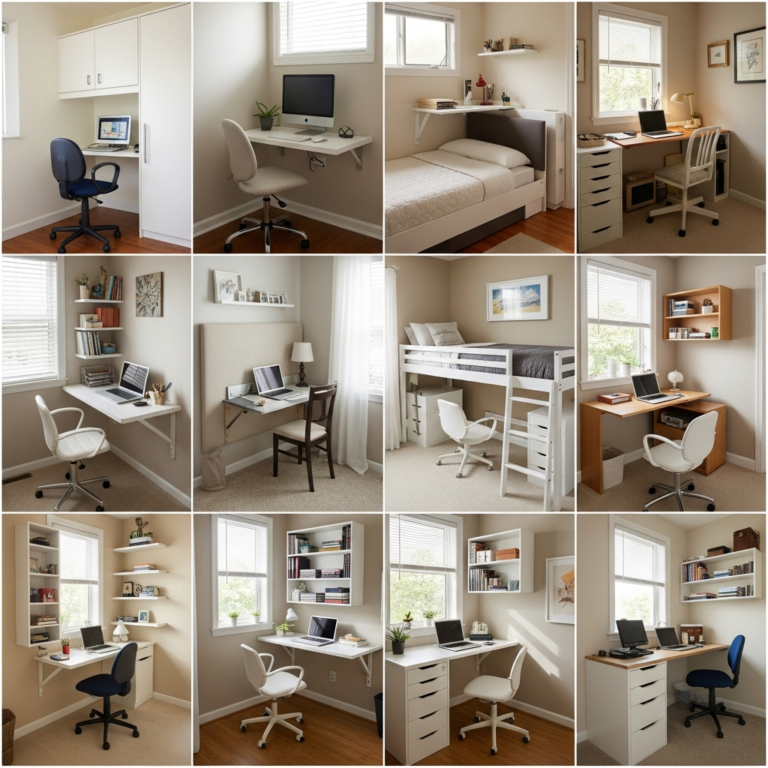
10. Study Zones
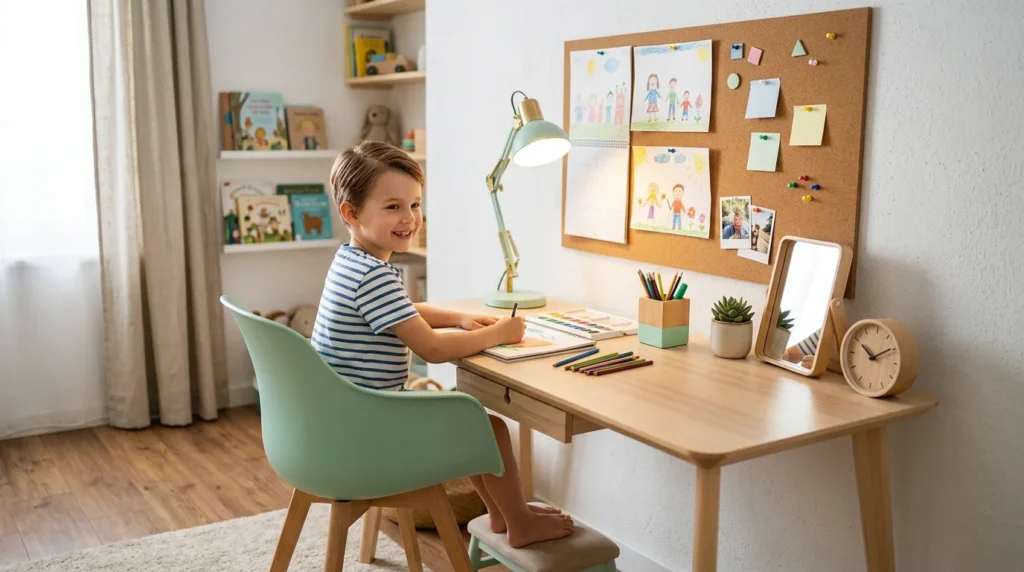
As children grow, their room needs to transition from a place of pure play to a place of productivity. A dedicated study zone helps foster focus and good homework habits. The key is to keep this area organized and free from the distractions of toys.
Choose a desk that is the right height for your child, and pair it with an ergonomic chair to support their posture. A corkboard or a grid panel above the desk allows them to pin up school reminders, photos, and achievements. Keeping the color palette of the study zone neutral can help minimize visual distractions, allowing the child to concentrate on the task at hand.
11. Nature Elements
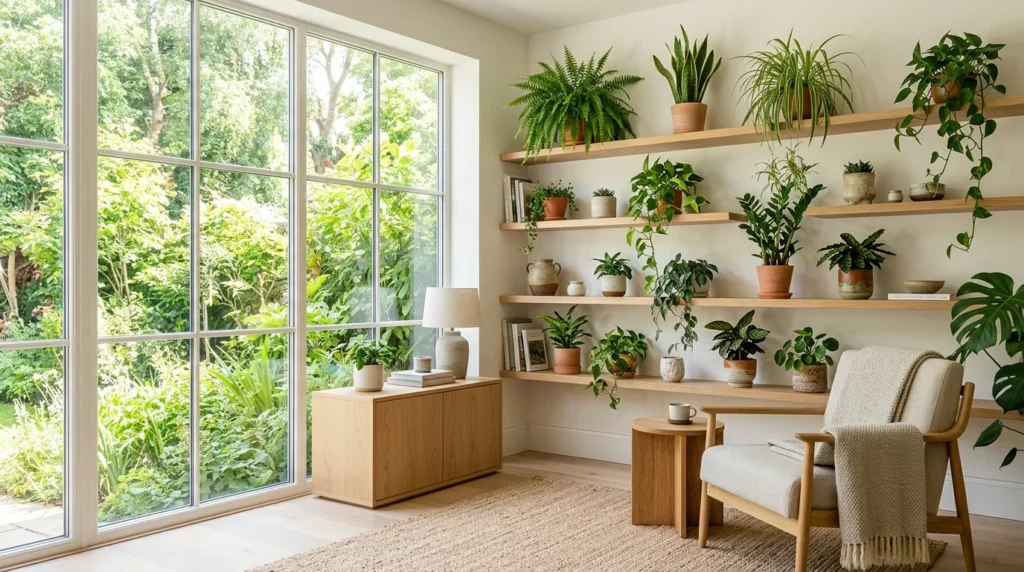
Biophilic design—incorporating nature into our living spaces—has been shown to reduce stress and improve mood. In a child’s room, this can be achieved through materials and literal greenery. Use light woods like oak or pine for furniture to bring a sense of the outdoors inside.
Introducing a few easy-to-care-for, non-toxic plants (like a Spider Plant or a Snake Plant) can teach children responsibility while purifying the air. If real plants are a concern, even botanical prints or a color palette of sage greens and earthy browns can evoke the calming essence of nature.
12. Gallery Walls
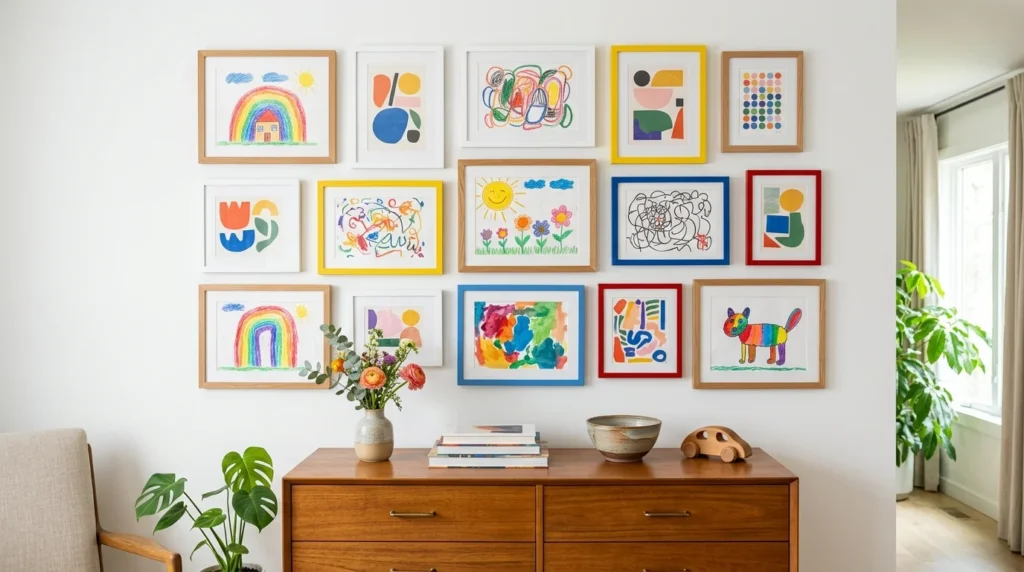
Every child is an artist, and their bedroom is the perfect place to showcase their masterpieces. A gallery wall celebrates their creativity and builds self-esteem. Instead of taping drawings directly to the wall, use a set of matching frames for a polished, curated look.
You can mix their original artwork with professional prints, inspirational quotes, or family photographs. To keep the gallery wall fresh, use “art cabinets”—frames that open from the front like a door—allowing you to easily swap out the newest drawing without taking the frame off the wall. This ever-changing display ensures the room evolves alongside the child’s growing talents.
Making the Transformation Last
A successful makeover isn’t just about how the room looks on day one; it’s about how it functions on day 500. When implementing these ideas, always consider the quality of materials and the ease of maintenance. By involving your child in the decision-making process—letting them choose between two rug options or three wallpaper patterns—you ensure they feel a deep connection to their new space. With a little planning and a lot of imagination, you can create a room that isn’t just a place to sleep, but a backdrop for a happy childhood.